
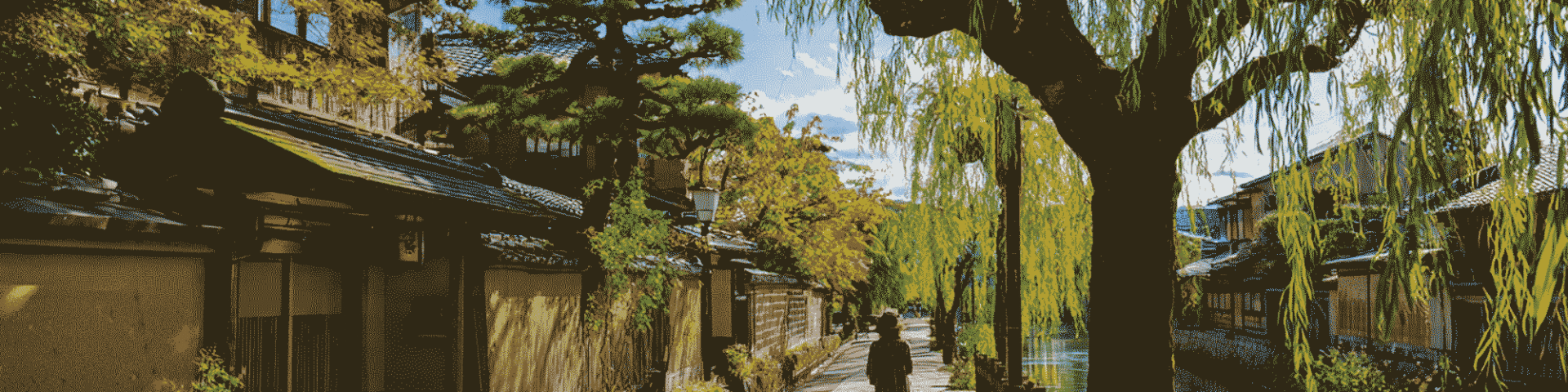
Tired of the well-trodden path? Dreaming of ancient samurai streets, pristine gardens, and market-fresh seafood without the bustling crowds? Let us guide you to Kanazawa—Japan’s best-kept secret and the perfect, peaceful alternative to Kyoto. This coastal city on the Sea of Japan is a preserved Edo-era treasure, waiting to be discovered.
Why Kanazawa? The Allure of Authentic Japan
While Kyoto rightfully claims global fame, Kanazawa offers a parallel universe of traditional culture with room to breathe. Dubbed “Little Kyoto,” it boasts a rich history as a wealthy feudal domain, pouring its resources into arts, cuisine, and gardens rather than war. Today, it’s a haven for travelers seeking an unhurried, deep dive into Japan’s refined heritage, from gold leaf craftsmanship to world-class sushi.
Best Time to Visit: Seasonal Splendor Without the Crowds
Kanazawa is a city for all seasons, each offering a distinct charm:
- Spring (April – Early May): Experience the delicate cherry blossoms (sakura) in Kanazawa Castle Park and Kenrokuen. The atmosphere is serene and celebratory, minus the intense crowds of larger cities.
- Autumn (October – November): This is arguably the magical peak. Kenrokuen Garden transforms into a masterpiece of red, orange, and gold maple trees. The crisp air and stunning scenery are perfect for exploration.
- Winter (December – February): For a truly unique and quiet experience, visit in winter. The city is often dusted with snow, and Kenrokuen is famous for its “yukitsuri”—rope pyramids erected to protect the pine trees from heavy snow, creating a stunning, sculptural landscape.
- Summer (June – September): Green and lively, though warmer and with a chance of rain. It’s a great time to enjoy the lush gardens and vibrant festivals.
Top Attractions: A Journey Through Time & Taste
1. Kenrokuen Garden
Start your journey at what is considered one of Japan’s “Three Great Gardens.” Kenrokuen, meaning “Garden of the Six Sublimities,” is a sprawling, masterful landscape designed for strolling. Discover tranquil ponds, hidden teahouses, bubbling streams, and the iconic two-legged Kotojitoro Stone Lantern. Each season paints the garden in a new, breathtaking palette.
2. Nagamachi Samurai District
Step directly into the past in Nagamachi. Wander along quiet canals lined with original, mud-walled earthen warehouses (kura) and restored samurai residences. Visit the Nomura-ke Samurai House to see a beautifully restored home with a exquisite inner garden, offering a poignant glimpse into the life of a mid-level samurai family.
3. Omicho Market
Fuel your adventure at Kanazawa’s vibrant kitchen, Omicho Market. For over 300 years, this bustling network of stalls has been the region’s culinary heart. It’s paradise for food lovers. Savor fresh, affordable sushi bowls (kaisen-don), try seasonal delicacies like snow crab (in winter), and immerse yourself in the lively atmosphere. This is where locals shop, making it an authentic culinary experience.
4. Higashi Chaya District
Get lost in the atmospheric Higashi Chaya, the city’s largest and most famous geisha entertainment district. Its charming streets are lined with wooden-latticed teahouses (chaya). While some are still private, you can explore open teahouses-turned-museums, cafes, and shops. Don’t miss the chance to:
- Try Gold Leaf Crafting: Kanazawa produces 99% of Japan’s gold leaf. Many shops offer hands-on experiences where you can apply gold leaf to pottery, lacquerware, or even coffee.
- Taste Gold Leaf Soft Serve: Indulge in the city’s most iconic treat—a creamy soft-serve ice cream wrapped in a delicate sheet of edible gold!
5. Kanazawa Castle Park
Adjacent to Kenrokuen, explore the grounds of the imposing Kanazawa Castle. While the original structures are gone, meticulous reconstructions of the Ishikawa-mon Gate, armories, and towers give you a powerful sense of the Maeda clan’s former might and wealth.
Practical Tips for Your Visit
- Getting There: Kanazawa is easily accessible via the Hokuriku Shinkansen from Tokyo (about 2.5 hours) or via express train from Kyoto/Osaka.
- Getting Around: The city center is compact and walkable. A convenient loop bus connects all major tourist sites.
- Must-Try Food: Beyond Omicho Market, seek out Kanazawa curry (thicker and sweeter than typical Japanese curry), jibuni (a duck and vegetable stew), and seafood kaiseki (multi-course haute cuisine).
Kanazawa is more than just a destination; it’s an experience of timeless Japan. It’s where you can hear the rustle of silk in a chaya district, taste the ocean’s freshness in a bustling market, and walk in the quiet footsteps of samurai. For the traveler seeking culture, cuisine, and beauty at a gentle pace, Kanazawa isn’t just an alternative—it might just be the highlight of your Japanese journey.
Ready to escape the ordinary? Kanazawa awaits.


